
iBody User Manual
TRAIN. ANYTIME. ANYWHERE.
Maximize Your Workout’s Efficiency
Unboxing
Introduction
Safety First
Vision & Core Values
Safety Instructions
Washing condition of training suit
EMS training basic knowledge
General information
Before Training
Utilizing the Equipment for Training
Your Records
Device Specifications Overview
iBody User Manual – Introduction
Thank you for choosing the iBody Smart EMS Training System, the future of fitness technology. Engineered in Germany with cutting-edge Intelligent Cell Activation (iCA) technology, iBody is designed to deliver safe, efficient, and powerful full-body workouts in just minutes per week.
This user manual provides essential information to help you understand, operate, and care for your iBody device correctly. Please read it thoroughly before first use to ensure optimal performance and safety.
Whether you’re training at home, in the gym, or as part of a professional practice, iBody offers a revolutionary approach to muscle stimulation, fat reduction, and health improvement. From setup to usage and maintenance, this guide will assist you in getting the most out of your experience.
Welcome to the new era of fitness – with iBody by BODY TIME.
Train
iBody – Train. Anytime. Anywhere.
Unboxing
iBody App – Android & iOS
Download and Get Started
To unlock the full potential of your iBody Smart EMS Training System, download the official iBody App available for both Android and iOS.
iBody App Infos (Click To Open)
-
Control and customize your EMS training sessions
-
Choose from pre-set workout programs
-
Adjust intensity, frequency, and duration in real time
-
Track progress and performance over time
-
Access support and user guides
📲 Download Now:
-
Android: Google Play Store – iBody App


Once installed, follow the on-screen instructions to pair your device and begin your first session.
Note: Ensure that both Bluetooth and Location Services are enabled on your smartphone before attempting to pair the iBody device. This is required for proper device detection and connection on both Android and iOS systems.
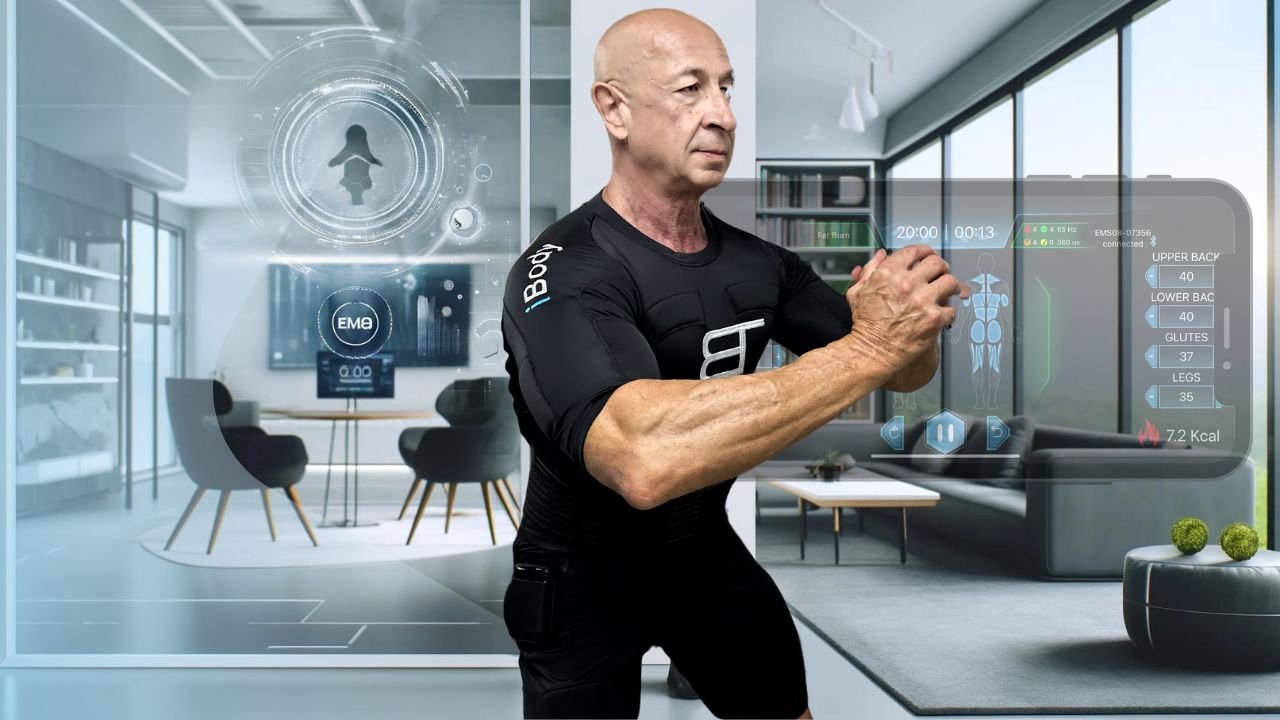
Dry Suit
The iBody EMS Dry Suit (eSuit) is a state-of-the-art, skin-friendly training suit engineered for maximum comfort and performance without the need for water or training underwear. Unlike traditional EMS systems that require moistening of electrodes, the iBody Dry Suit utilizes advanced dry-contact technology, allowing for immediate use while maintaining consistent conductivity and safety.
Key Features (Click To Open)
- Dry Electrode Technology – No water or gel required
-
Quick & Hygienic Use – Put on and train instantly
-
Full-Body Activation – Targets all major muscle groups simultaneously
-
Ergonomic Fit – Lightweight, breathable, and flexible fabric
-
Machine Washable – Easy to clean and maintain
-
Durable Construction – Built for long-term, repeated use
The suit is compatible exclusively with the iBody Control Unit and should be stored in a dry, cool environment when not in use.
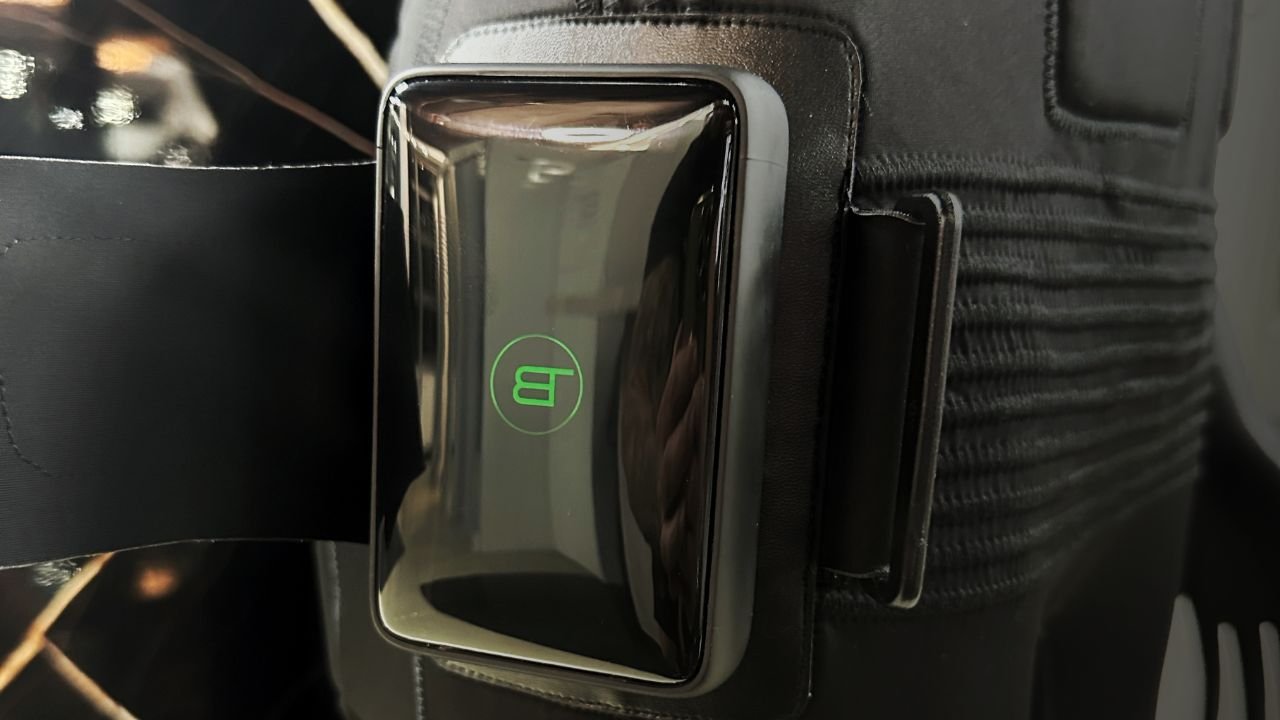
Energy Box
The iBody Energy Box (eBox) is the intelligent core of the iBody EMS system. Compact, lightweight, and powerful, this high-performance control unit delivers precise electrical impulses to the training suit, ensuring safe and effective muscle stimulation during each session.
Key Features (Click To Open)
- Advanced Signal Processor – Delivers accurate and stable EMS signals
-
Wireless Bluetooth Connectivity – Seamless pairing with the iBody App (Android & iOS)
-
Smart Control – Adjustable frequency, pulse width, and intensity via the app
-
Rechargeable Battery – 2650 mAh capacity for multiple sessions on a single charge
-
Compact Design – Lightweight and portable (96 × 65 × 29 mm; 250g)
-
Durable & Long-Lasting – Designed for over 10 years of use
-
Safety First – Built-in protection features for voltage, current, and signal control
The Energy Box is compatible only with official iBody suits (eSuit). Always ensure it is charged and connected via the official app before use.
Charging Interface
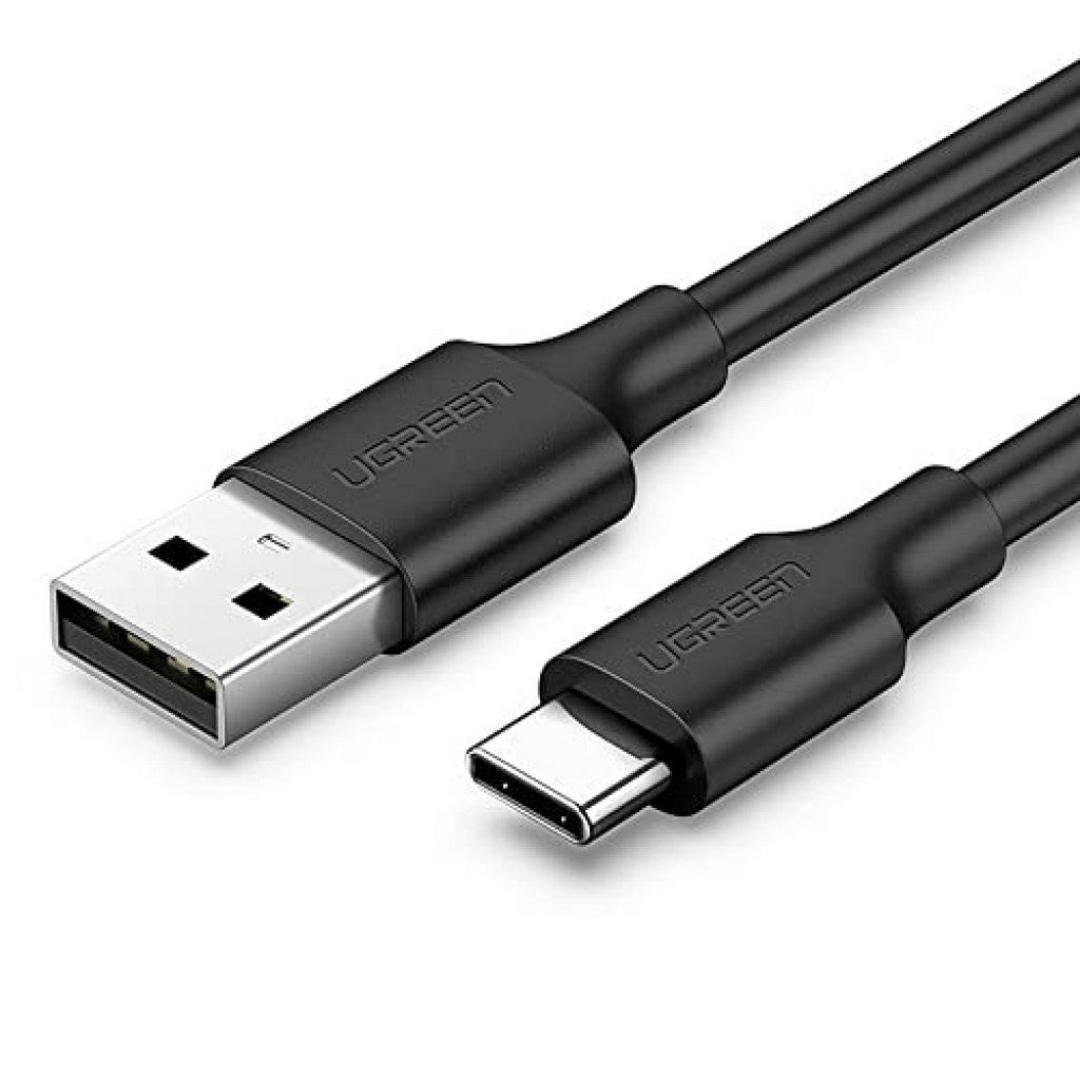
The iBody Energy Box is equipped with a USB to Type-C charging port for stable and efficient power delivery.
Important: Charging is supported only via a USB to Type-C cable. Use a certified standard 5V charger.
Attention: Only slow charging is supported. Using fast chargers may significantly reduce the battery’s lifespan and is not recommended.
iBody – Train. Anytime. Anywhere.
Introduction
User Responsibility and Safety Notice
Before operating the iBody device, the user is required to thoroughly read and understand this manual. Failure to follow the instructions and safety guidelines outlined herein may result in personal injury or device malfunction. In such cases, the user assumes full responsibility for any resulting consequences.
Safe and effective use of the iBody system depends on strict adherence to all operational and safety instructionsprovided in this manual. Additionally, users must comply with all local accident prevention regulations and general safety standards relevant to the environment in which the device is used.
iBody – Train. Anytime. Anywhere.
Safety First
Medical Disclaimer and Contraindications
Before using the iBody EMS Training System, it is the user’s responsibility to ensure that none of the listed contraindications apply. If you are uncertain about any health conditions or potential risks, do not use the device. Always consult with a licensed medical professional before beginning your first training session, especially if you are currently taking any medication or have a pre-existing health condition.
In Summary:
Any individual who is medically cleared to engage in physical activity can safely participate in iBody EMS Training. In fact, iBody offers a safer and more efficient alternative to conventional exercise methods, delivering full-body muscle activation with minimal joint stress and maximum results in less time.
Important: Do Not Use the Device If You Have or Are Experiencing Any of the Following:
Contraindications (Click To Open)
-
Active medical implants (e.g., pacemakers or defibrillators)
-
Epilepsy
-
Pregnancy
-
Severe circulatory disorders
-
Arterial circulatory issues
-
Strong bleeding tendencies (e.g., hemophilia)
-
Active bleeding or risk of internal bleeding
-
Abdominal wall hernia
-
Inguinal hernia
-
Tuberculosis
-
Diagnosed tumor diseases
-
Advanced arteriosclerosis
-
Severe neurological disorders
-
Diabetes mellitus (uncontrolled or severe)
-
Febrile illnesses (fever-related conditions)
-
Acute bacterial or viral infections
-
Important: Using electrodes in the vicinity of the thorax may increase the risk of ventricular fibrillation
-
Severe liver diseases
Warning: Using the iBody system in the presence of any of these conditions may pose serious health risks. If you are unsure whether any of these apply to you, consult your physician before use.
iBody – Train. Anytime. Anywhere.
Vision & Core Values
Experience the Future of Fitness with iBody
iBody is more than just a training device — it’s a breakthrough in how we approach health, fitness, and quality of life. Developed through years of experience in the global fitness industry and inspired by both advanced international technologies and deep expertise, iBody transforms the way people train, offering an experience that is not only effective but deeply empowering.
Our mission is simple yet powerful: to make high-performance fitness accessible, time-efficient, and results-driven — for everyone. With iBody, users can achieve their health and fitness goals faster, easier, and more affordably than ever before — no need for expensive gym memberships, crowded training spaces, or hours lost to traditional workouts. Just pure, intelligent efficiency.
Driven by a market-oriented mindset and backed by innovation and scientific research, iBody is the result of precise engineering, premium materials, and next-generation microelectronic and software technology. Every detail is designed with purpose — from its ergonomic design that conforms to the body for full freedom of movement, to the intuitive app that puts powerful training customization in your hands.
Unlike conventional workouts, iBody’s Electric Muscle Stimulation (EMS) activates all major muscle groups simultaneously, delivering intense, effective training in just minutes. The system ensures a consistent and safe output range, allowing users of all fitness levels to train with full control and confidence.
Every session with iBody is a highly personal, highly emotional journey — a smarter, more advanced way to move, train, and live. This user manual provides guidance on device setup, operation, and care. We welcome your feedback as part of our commitment to continual improvement and innovation.
iBody is not just fitness equipment. It’s a lifestyle upgrade — empowering you to reclaim your time, transform your body, and unlock your full potential.
iBody – Train. Anytime. Anywhere.
Safety Instructions
Intended Use
The iBody EMS device is designed exclusively for Electrical Muscle Stimulation (EMS) to activate and stimulate muscle groups in individuals. The system functions by transmitting controlled electrical impulses through skin-surface electrodes placed on specific areas of the body.
To ensure safe and effective operation, it is essential to strictly follow the electrode placement guidelines and operating instructions provided in this manual.
Any application of the device that deviates from the uses and procedures described in this manual shall be considered misuse and may pose safety risks.
Fundamentals of Safety
Even when used as intended, certain inherent risks may be associated with the operation of electrical stimulation equipment. To minimize the risk of injury, device malfunction, or hazardous conditions, users must adhere to all safety guidelines outlined in this and other sections of the manual.
Individual Adjustment
Proper training effectiveness and user safety require that the device be individually adjusted for each user. This includes configuring the appropriate settings, electrode placement, and maintaining correct posture and muscle engagement during stimulation. Personalized calibration helps ensure correct technique, reduce risk, and improve outcomes.
Misuse Warning
Warning: Risk of Injury from Misuse
The iBody EMS device must only be used as specified in this manual and solely in dry indoor environments. Failure to follow usage guidelines may result in unsafe operating conditions or harm to the user.
To avoid accidents, please observe the following:
-
Electrode Placement
Do not place electrodes anywhere other than the recommended positions described in this manual. -
Intensity Settings
Always begin each session at the lowest intensity level and increase gradually to a comfortable range. -
Muscle Engagement
Maintain light muscle tension during stimulation pulses to prevent involuntary or uncontrolled contractions. -
Skin Conditions
Never place electrodes over wounds, inflammation, burns, rashes, or irritated skin. -
Heat Sensation
Discontinue use immediately if you notice excessive heat or discomfort under the electrodes. -
Medical Symptoms
Stop the session immediately and seek medical attention if you experience dizziness, chest pain, or a general feeling of unwellness.
iBody – Train. Anytime. Anywhere.
Washing condition of training suit
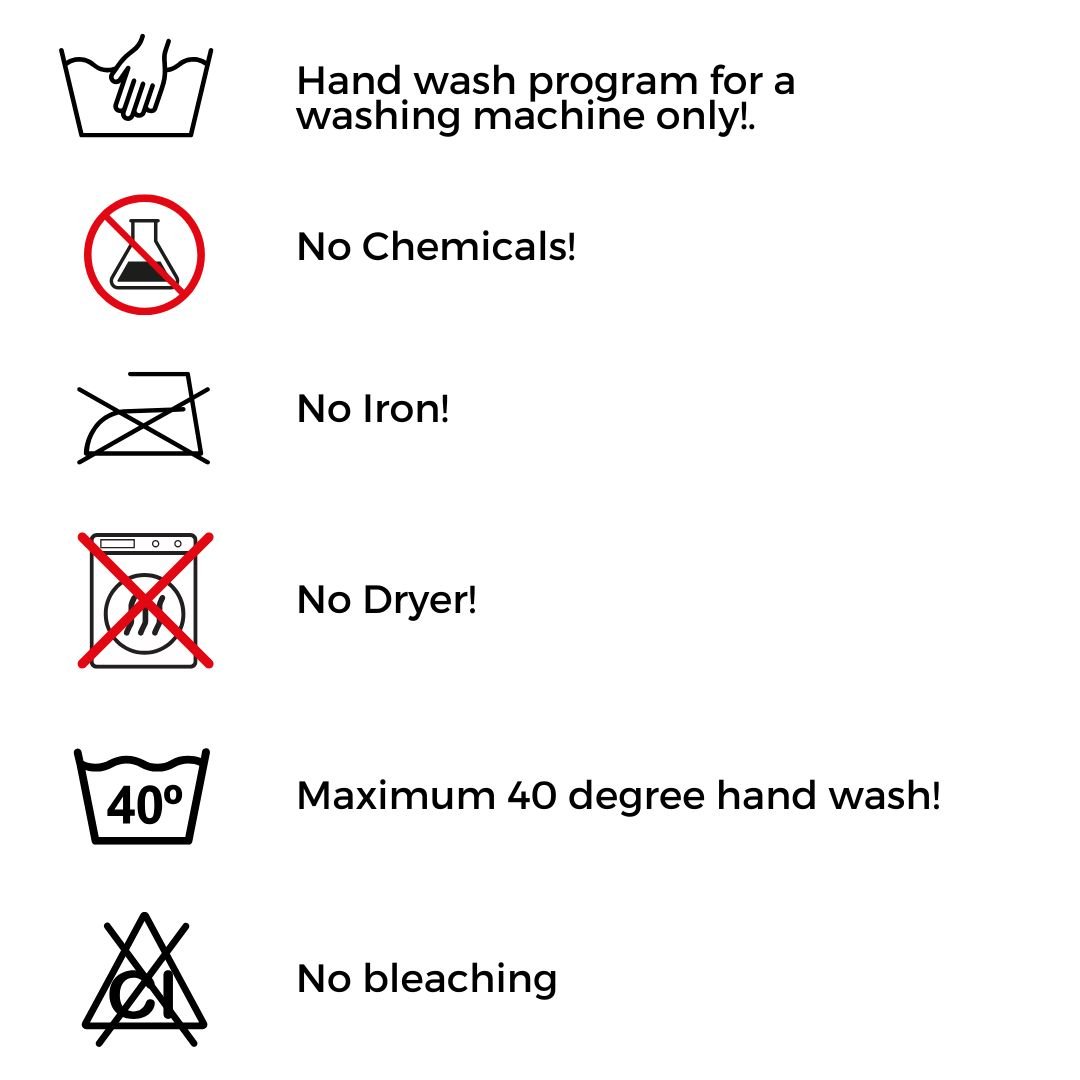
Care Instructions – iBody EMS Suit
To preserve the functionality and durability of your iBody EMS Suit, please adhere to the following washing and maintenance guidelines:
-
Washing Method: Use the hand wash program on your washing machine only.
-
Maximum Water Temperature: Do not exceed 40°C (104°F).
-
Detergents: Use mild liquid detergent only.
-
❌ Do not use chemicals, bleach, or fabric softeners.
-
-
❌ Ironing: Do not iron the suit.
-
❌Drying: Do not tumble dry.
-
Allow to air dry in a cool, shaded, and well-ventilated area.
-
Warning: Failure to follow these care instructions may damage the suit’s electronic components and void the warranty.
iBody – Train. Anytime. Anywhere.
EMS training basic knowledge
WARNING: Risk of Overtraining
Excessive or improperly scheduled training sessions may lead to overtraining, which can negatively affect both physical and mental health. Potential consequences include:
-
General fatigue and physical weakness
-
Sleep disturbances and restlessness
-
Persistent headaches
-
Elevated resting heart rate or stress pulse
-
Muscle and tendon soreness
-
Mood disturbances or symptoms of depression
To protect your well-being and ensure safe, effective results, please follow these essential guidelines:
-
Prioritize Recovery – Allow sufficient time for your body to recover between sessions.
-
Avoid Training with Soreness – Do not train when experiencing intense muscle soreness.
-
Alternate Training Intensity – Incorporate a balanced routine with both high-intensity and regenerative sessions.
-
Limit Frequency – For optimal results, restrict iBody training to 1–2 sessions per week.
-
Listen to Your Body – Refrain from training if you feel unwell, are experiencing severe soreness, or are affected by any contraindications.
Note: Recovery is just as important as the workout. Smart training includes rest, regeneration, and proper scheduling to prevent injury and maximize results.
WARNING: Health Risks of EMS Training During Illness or Physical Infirmity
EMS (Electro Muscle Stimulation) training is a highly effective and intensive workout method that places significant physical demands on the body. Engaging in EMS training while ill or physically weakened can pose serious health risks, as the body may not be able to tolerate the intensity, potentially leading to worsening symptoms or delayed recovery.
To ensure your health and safety, please observe the following precautions:
-
Medical Consultation Required – If you are experiencing any illness, injury, or physical weakness, consult with a qualified healthcare professional before starting or resuming EMS training.
-
Respect Recovery Time – Always follow the recommended training frequency and allow for adequate rest and regeneration between sessions.
Your health is our top priority. Make informed decisions and listen to your body to prevent complications and ensure safe, long-term results from your iBody training program.
Attention: Important Considerations for EMS Training
Electro Muscle Stimulation (EMS) training is a highly effective, full-body training method that uses controlled electrical impulses to activate and strengthen muscles. While EMS offers significant advantages over traditional training methods, it is essential to understand that its intensity is considerably higher, making it a unique and powerful approach to fitness.
This elevated intensity applies regardless of your fitness level, age, or athletic background. Therefore, special care must be taken, especially for beginners, to ensure a safe and effective training experience.
Key Guidelines for Safe EMS Training:
-
Follow recommended training frequencies (typically 1–2 sessions per week).
-
Allow adequate recovery time between sessions to support muscle regeneration.
-
Begin with low to moderate intensity and gradually increase under professional supervision, if available.
-
Always pay attention to how your body responds and adjust accordingly.
What is EMS Training?
EMS (Electro Muscle Stimulation) is a technology that delivers electrical pulses through the skin to stimulate muscle contraction. The iBody EMS system uses up to 10 pairs of strategically placed electrodes, allowing for comprehensive whole-body activation. This method effectively engages all major muscle groups simultaneously, producing powerful training results in a fraction of the time required by conventional workouts.
Special Features and Benefits of iBody EMS Training
The iBody EMS system represents the next generation of fitness innovation, delivering safe, effective, and time-efficient training. Leveraging advanced technology and intelligent design, iBody provides full-body muscle activation and a host of unique benefits that set it apart from conventional workouts.
Comprehensive Muscle Activation
The iBody device is equipped with up to 10 pairs of electrodes, enabling simultaneous activation of all major muscle groups. This ensures a balanced, full-body workout in every session.
Dynamic Training Integration
iBody EMS blends static and dynamic training techniques. By combining deliberate muscle contractions with electrical stimulation, users amplify the effectiveness of each movement. The strategic placement of positive and negative electrodes on opposing muscle groups further enhances muscle engagement and performance.
Simultaneous Agonist–Antagonist Stimulation
Unlike traditional training methods, EMS allows for the simultaneous stimulation of both agonist and antagonist muscles, increasing muscular coordination and maximizing the training effect.
Stronger, Safer Contractions
EMS induces intensified muscle contractions—stronger than what can be achieved voluntarily in most traditional workouts—while exerting minimal stress on joints and tendons, making it suitable for a wide range of users, including those with joint concerns.
Targeting Deep Muscle Layers
iBody EMS goes beyond surface-level training by engaging deeper muscle fibers that are often underutilized in regular exercise. This results in a more complete, efficient, and effective workout in just 10 to 20 minutes per session.
Neuromuscular Precision
In conventional training, muscle contractions are triggered by electrical impulses sent from the brain. In EMS training, external electrical impulses simulate this same natural process by activating the muscles directly via electrodes.
The result? A natural muscle contraction — regardless of whether the source is internal (brain) or external (iBody EMS).
Personalized Intensity Control
Because sensitivity to electrical current varies from person to person, iBody EMS allows for precise adjustment of current intensity, ensuring every user trains safely, comfortably, and effectively.
Training Frequency, Recovery, and Nutritional Preparation
Training and Physical Condition
EMS training places significant physical demands on the body, similar to traditional high-intensity workouts. Therefore, it must only be performed when you are in good physical health.
Important: Do not engage in EMS training if you are ill or experiencing a fever, as this may exacerbate your condition and hinder recovery.
Initial Training Session
For safety and optimal adaptation, your first EMS training session should not exceed 15 minutes. This allows your muscles and nervous system to gradually adjust to the electrical stimulation.
First 10 Weeks of Training
During the initial 10-week adaptation phase, it is recommended to limit training to a maximum of 4 sessions per week. Adequate rest between sessions is critical to prevent overtraining and to support the body’s adjustment to EMS intensity.
Training After the First 10 Weeks
Once the adaptation period is complete, it is essential to maintain a minimum recovery period of 48 hours (2 days) between training sessions. The ideal recovery time may vary depending on your individual training status, physical condition, and intensity level.
Nutritional Preparation for EMS Training
Due to the intensive nature of EMS training and the simultaneous engagement of multiple muscle groups, the body experiences a significantly increased energy demand. To support optimal performance, follow these nutritional guidelines:
-
Pre-Workout Meal:
Consume a high-carbohydrate, easily digestible meal approximately 2–3 hours before your training session to ensure sufficient energy availability. -
Hydration:
-
Drink 500 ml of water before your session
-
Drink an additional 500 ml of water after training to compensate for fluid loss and support metabolic recovery
-
Proper nutrition and hydration are essential for maximizing training performance, supporting recovery, and ensuring long-term training success.
Effects of EMS Training on Blood Values and Recovery
Initial Physiological Response
Engaging in high-intensity EMS training—particularly during the initial phase—can result in a temporary elevation of creatinine and myoglobin levels in the bloodstream. These biomarkers are natural byproducts of muscle activity and cellular stress.
Even in healthy individuals, such an increase may place additional strain on the kidneys, especially if training intensity is too high or recovery time is insufficient.
Caution: New users should approach EMS training progressively and allow ample time for rest and regeneration.
Adaptation Phase and Muscle Development
The body typically requires an adaptation period of 8 to 10 weeks to acclimate to EMS training loads. During this time, physiological responses—including creatinine and myoglobin levels—normalize, aligning with those observed in conventional resistance training.
Once adapted, the body becomes more efficient, and muscle hypertrophy (growth) accelerates. For optimal progress, this period must be supported by consistent training, proper recovery, and adequate sleep.
Recovery Enhancement Through Nutrition
To maximize recovery and support muscle repair:
-
Incorporate high-protein energy drinks such as protein shakes immediately post-training.
-
Focus on high-quality nutrients that assist in muscle regeneration and reduce recovery time.
-
Stay well-hydrated to support kidney function and metabolic processes.
Best Practices for Safe and Effective Training
-
Do not train again on the same day as an EMS session.
-
Prioritize rest following each workout.
-
Gradually increase training intensity based on how your body responds.
-
Maintain a balanced nutrition plan rich in protein and recovery-supporting micronutrients.
-
Avoid overtraining, especially during the first 8–10 weeks.
Key Insight: Results are built during rest — not during training. Respect the body’s recovery cycle to ensure safe, long-term success with iBody EMS.
iBody – Train. Anytime. Anywhere.
GENERAL INFORMATION
Definition of Terms
Training Programs
iBody EMS training programs are defined by a range of configurable parameters such as pulse intensity, pulse width, pulse duration, and pause intervals. These parameters work together to create a specific electrical stimulation pattern that aligns with the selected workout objective.
Each program emits a predefined pulse pattern continuously over a user-defined duration, allowing for a highly customizable and flexible training experience. Users may choose from pre-set modes or operate in freestyle mode based on individual goals.
Pulse Intensity
Pulse intensity in EMS training refers to the strength of the electrical current, typically measured in milliamperes (mA). It plays a key role in determining how deeply the muscles are stimulated and how many nerve and muscle fibers are recruited.
-
A higher intensity results in stronger muscle contractions
-
Sensitivity to electrical pulses varies between individuals, so the intensity must be personally adjusted to suit each user’s comfort and effectiveness levels
Pulse Duration
Pulse duration refers to the length of time, measured in milliseconds (ms) or seconds (s), that a single electrical pulse remains active. It represents the period during which the muscle is held in a contracted state.
-
Longer durations may result in deeper fatigue and more sustained muscle contraction
Pulse Frequency
Pulse frequency is the number of electrical pulses per second, measured in Hertz (Hz). Each pulse produces a muscle contraction, so increasing the frequency results in more rapid and repeated contractions within a given time frame.
Different frequencies yield different physiological effects:
| Frequency | Effect |
|---|---|
| 7 Hz | Improves blood circulation and metabolism |
| 85 Hz | Optimal for strength training and muscle activation |
| 100 Hz | Supports pain relief and muscle relaxation (deionization) |
This range of frequencies allows for precise customization based on the user’s desired training or therapeutic outcome.
Stimulation Parameters: Key Terms and Recommendations
Understanding the technical aspects of EMS signal generation is essential for optimizing training performance and safety. Below are key terms that define the characteristics of the electrical impulses used in iBody EMS training.
Pulse Width
Pulse width refers to the duration of a single electrical pulse, typically measured in microseconds (µs) or milliseconds (ms).
-
A longer pulse width increases tissue penetration, enabling deeper muscle activation and greater recruitment of motor units.
-
It plays a crucial role in adjusting the depth and strength of the muscle contraction.
Pulse Rise
Pulse rise describes the time taken for the current to reach its peak value during each stimulation pulse.
-
A smooth and controlled rise improves comfort and prevents sudden, sharp muscle contractions.
Pulse Fall
Pulse fall refers to the time it takes for the current to decrease from its peak back to zero.
-
A gradual fall phase supports a more natural muscle relaxation, reducing the risk of strain or discomfort.
Pause Time
Pause time is the interval between pulses when no electrical current is delivered. It is measured in seconds (s) or milliseconds (ms).
-
This interval allows the muscle to recover before the next contraction.
-
Proper pause duration contributes to better endurance and reduced fatigue.
Optimal Pulse–Pause Ratio
To ensure safe and effective EMS training, a balanced pulse-to-pause ratio is essential. Recommended ratios typically fall between:
-
1:1 (equal pulse and pause time)
-
1:5 (longer pause for higher intensity sessions)
These ratios are designed to:
-
Promote effective recovery between muscle contractions
-
Enable sustained high performance throughout the session
-
Reduce the risk of overexertion or muscle fatigue
Tip: The correct ratio depends on the training goal—higher ratios are more suitable for strength-focused sessions, while shorter pauses may apply in endurance or rehabilitation settings.
iBody – Train. Anytime. Anywhere.
Before Training
About Your Physical Condition
Before beginning any iBody EMS training session, it is essential to assess your physical readiness to ensure a safe and effective workout experience. Please review the following guidelines carefully:
Health & Readiness Checklist
-
Ensure you are in good overall health, free from any medical conditions or contraindications that may interfere with EMS training.
-
Stay adequately hydrated before training to support proper muscular and cardiovascular function.
-
Avoid engaging in strenuous physical activity prior to your session to prevent fatigue-related complications.
Medical Precautions
If you have any pre-existing health concerns, injuries, or are currently taking medication, consult with a licensed healthcare professional before starting or continuing EMS training.
Training Supervision
Training should always be conducted under the guidance of qualified and experienced personnel to ensure correct usage, proper technique, and safety monitoring.
Warning Signs During Training:
Discontinue the session immediately if you experience any of the following:
-
Shortness of breath
-
Dizziness or light-headedness
-
Chest pain or discomfort
Breathing & Warm-Up
-
Do not hold your breath during exercises; maintain steady breathing to ensure proper oxygen flow and reduce cardiovascular strain.
-
Begin each session with a comprehensive warm-up to prepare your muscles and joints for stimulation and physical engagement.
Your safety is our priority. Always listen to your body, and never push through discomfort or pain.
How to Wear the iBody EMS Training Suit
The iBody EMS Training Suit is constructed from a premium, performance-engineered fabric blend designed for optimal comfort, flexibility, and durability:
-
Material Composition:
-
54% Poly-complex Amide
-
36% Polypropylene
-
10% Elastomer
-
This combination provides the necessary elasticity and anatomical fit to ensure effective electrode contact and freedom of movement during EMS sessions. Each suit is equipped with 20 integrated electrode pads strategically positioned to stimulate all major muscle groups.
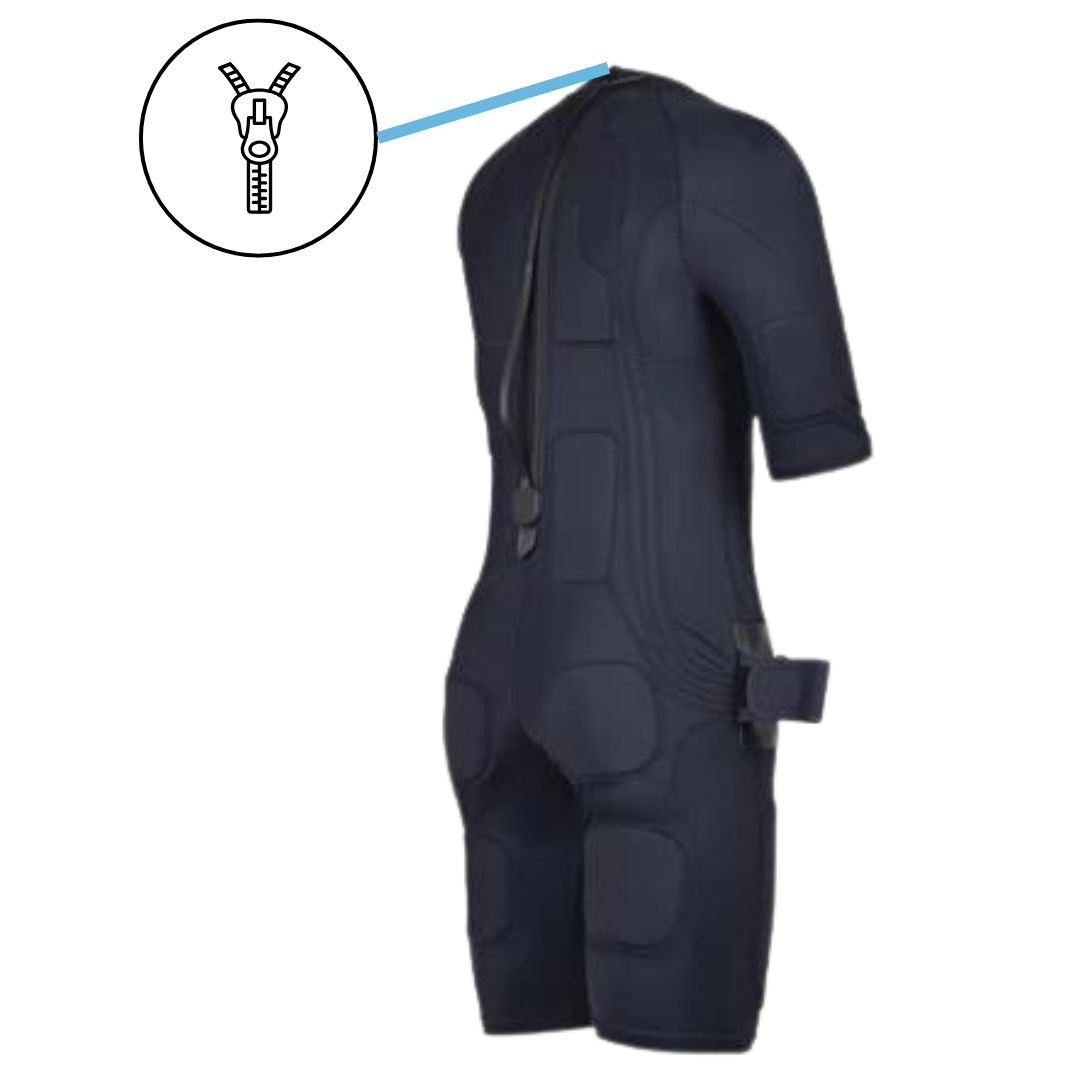
Step-by-Step Instructions
1. Unzip the Suit
-
Locate the zipper positioned at the back of the suit.
-
Fully unzip the suit to prepare it for wearing.
2. Putting on the Suit
-
Begin by inserting your legs first, carefully pulling the suit up over the hips and torso.
-
Slide each arm into its respective sleeve to complete the upper-body fitting.
-
Ensure that the fabric sits snugly against the body, with the electrodes aligned over the appropriate muscle groups.
3. Secure the Suit
-
Reach behind or ask for assistance if needed.
-
Gently pull the zipper upward to fasten the suit securely along the spine.
-
Confirm that the zipper is fully closed and that there are no folds or gaps that could disrupt electrode contact.
Note: The suit should feel comfortably tight but not restrictive. Proper fit is essential for effective stimulation and safety during training.
Connecting the Energy Box to the Training Suit
To ensure optimal performance and safety, follow the steps below to correctly connect the iBody Energy Box to the EMS Training Suit:
Step-by-Step Instructions
-
Position the Energy Box
Hold the Energy Box so that the indicator light is facing upward and clearly visible during operation. -
Attach the Energy Box to the Suit
Secure the Energy Box into the designated docking area on the training suit. -
Fasten the Suit Securely
Use the Velcro straps and buckles to adjust the fit around the torso, ensuring the Energy Box sits firmly in place.-
The suit should fit snugly to maintain proper electrode contact without causing discomfort.
-
-
Final Check
Before initiating a session, confirm that:-
The Energy Box is securely connected
-
All electrode areas are in full contact with the body
-
There are no loose straps or exposed connectors
-
Note: A secure and well-aligned connection between the Energy Box and the training suit is essential for stable signal transmission and a safe, effective EMS session.
iBody – Train. Anytime. Anywhere.
Utilizing the Equipment for Training
Main Screen Elements – iBody App Interface Guide
The main screen of the iBody App provides full control and real-time feedback during your EMS training session. Below is an overview of each feature and its function:
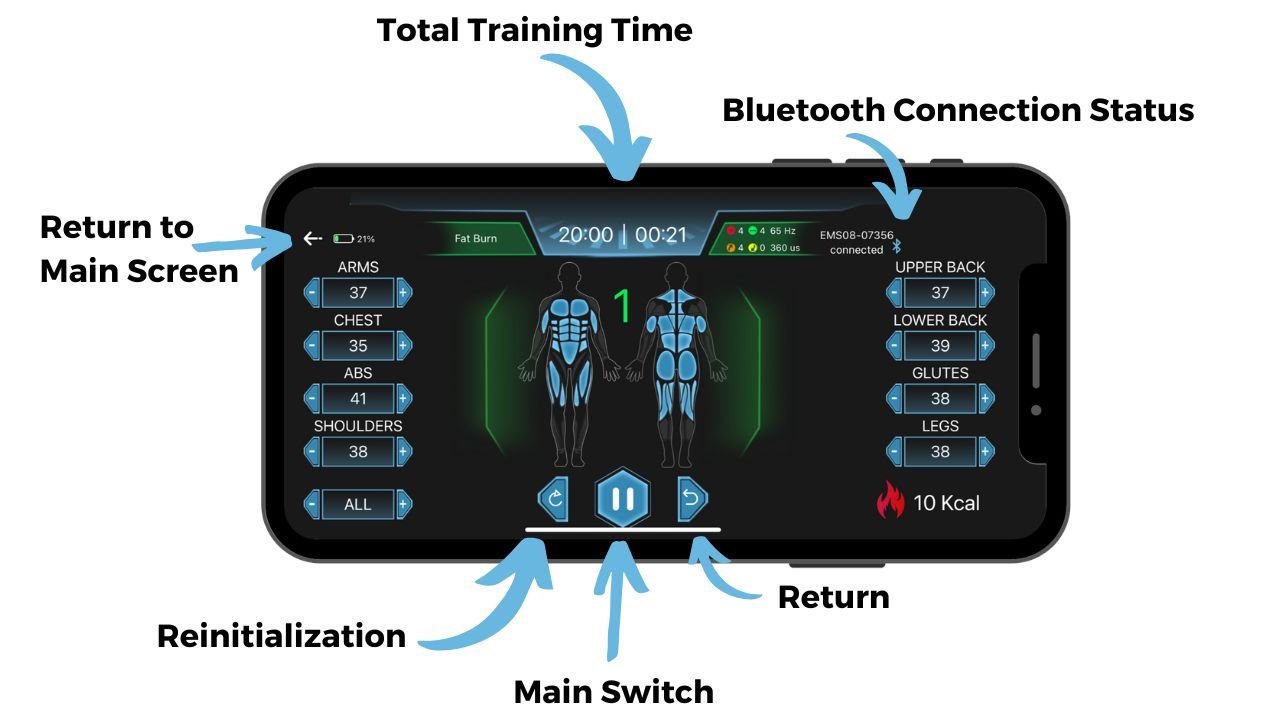
Total Training Time
-
The default session duration is 20 minutes, displayed via a countdown timer.
-
Users may adjust the training time by increasing or decreasing the duration at any point during the session.
-
Once the 20-minute period ends, all settings will automatically reset to zero, preparing the device for the next session.
Reinitialization
-
This function resets all software values to their default (zero).
-
Use it to start fresh between users or before beginning a new training session.
Bluetooth Connection Status
-
Displays the current Bluetooth connection status between the Energy Box and the iBody app.
-
Ensure the connection is active before starting your session.
Main Switch
-
This control is used to start or stop the electrical pulse output.
-
It functions as the primary activation toggle for the EMS training session.
Return
-
Tap this button to navigate back to the mode selection menu or previous screen.
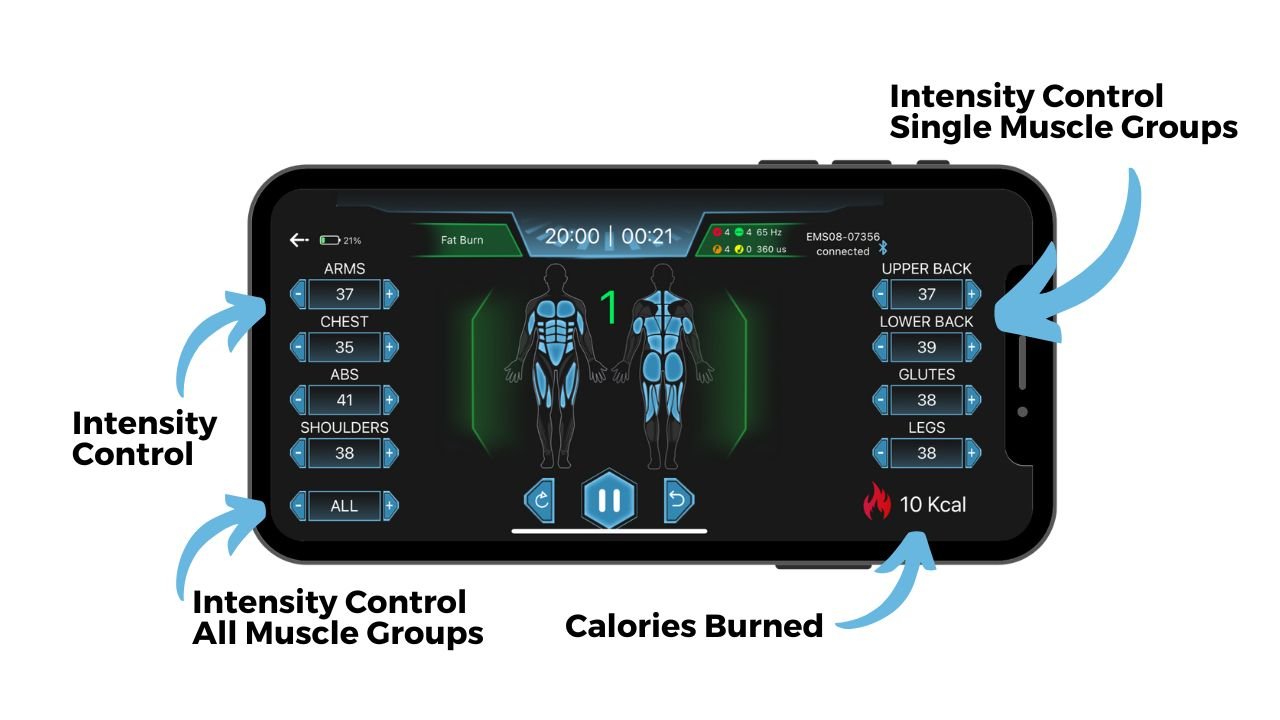
Intensity Control
-
Allows users to adjust the stimulation intensity for each individual muscle group.
-
Adjustments are made in single-step increments (1 unit at a time).
-
Minimum intensity: 0
-
Maximum intensity: 99
-
-
Select the muscle group you’d like to modify, then increase or decrease its intensity accordingly.
Note: If a setting appears gray, it is inactive or not adjustable at that moment.
Calories Burned
-
This display shows an estimate of the total calories burned during your training session, calculated based on duration and intensity.
Training Program Selection – Parameter Definitions
When selecting or customizing a training program within the iBody EMS system, several key parameters determine the structure and effectiveness of your session. Understanding each parameter allows for safe, personalized, and goal-oriented training.
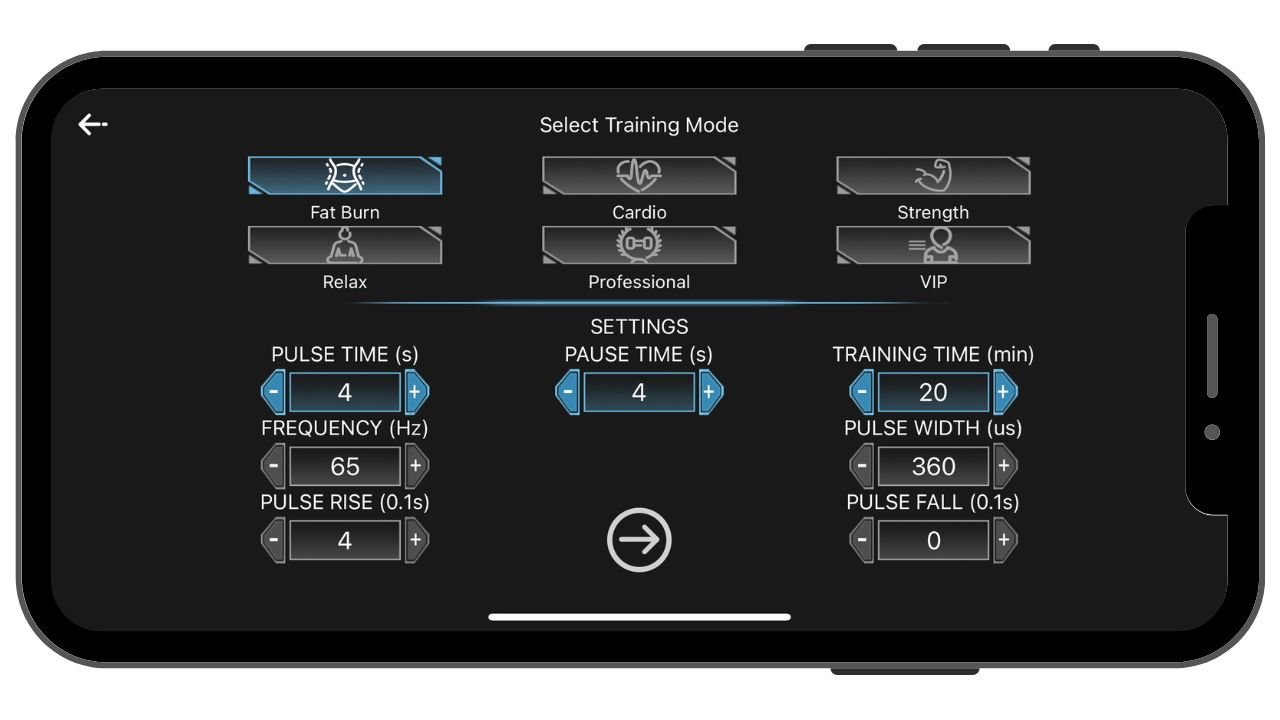
Pulse Time
The pulse time refers to the duration of electrical stimulation during each contraction phase. This defines how long the current is applied to the muscles before entering the pause phase.
Pause Time
Pause time is the rest interval between electrical pulses, allowing the muscles to recover before the next contraction begins. Adjusting the pause time affects fatigue levels and recovery efficiency during the session.
Training Time
This denotes the total duration of your training session. It can be customized based on your fitness goals and physical readiness. The default is typically set at 20 minutes.
Pulse Width
Pulse width measures the elapsed time (in microseconds or milliseconds) between the beginning and end of a single electrical pulse.
-
A longer pulse width results in deeper tissue penetration and greater motor unit recruitment, leading to more intense muscle activation.
Frequency Effects
| Frequency | Physiological Effect |
|---|---|
| 7 Hz | Enhances blood circulation and metabolic activation. Ideal for warm-up, recovery, or light stimulation. |
| 85 Hz | Provides optimal stimulation for muscle strengthening and endurance. Recommended for primary training routines. |
| 100 Hz | Promotes muscle relaxation and pain relief (detonication effect). Best used in recovery or therapeutic settings. |
By adjusting these parameters, users can personalize their EMS sessions to match specific goals, such as strength training, fat burning, recovery, or rehabilitation.
Tip: Beginners should start with lower frequencies and gradually increase intensity and training duration under guidance or supervision.
Training Modes Overview
The iBody EMS system offers multiple training modes, each designed with specific physiological and performance outcomes in mind. Whether your goal is fat loss, cardiovascular improvement, muscle development, recovery, or custom training, iBody provides scientifically calibrated programs to meet your needs.
Fat Burn Mode
Purpose:
Designed for individuals focused on reducing body fat, increasing lean muscle mass, and boosting metabolism. This mode stimulates muscle contractions to support fat combustion and improve body composition.
Parameters:
-
Pulse Time: 4 seconds
-
Pause Time: 4 seconds
-
Training Duration: 20 minutes
-
Frequency: 65 Hz
-
Pulse Width: 360 µs
-
Pulse Rise: 0.4 seconds
-
Pulse Fall: 0.0 seconds
Cardio Mode
Purpose:
Optimizes cardiovascular performance, promotes blood circulation, and assists in the removal of metabolic waste. Also beneficial for enhancing skin tone and overall tissue vitality.
Parameters:
-
Pulse Time: 1 second
-
Pause Time: 0 seconds
-
Training Duration: 20 minutes
-
Frequency: 7 Hz
-
Pulse Width: 360 µs
-
Pulse Rise: 0 seconds
-
Pulse Fall: 0 seconds
Strength Mode
Purpose:
Targets muscle hypertrophy and strength enhancement by primarily engaging type II (fast-twitch) muscle fibers. This mode also contributes to raising the basal metabolic rate, resulting in greater energy expenditure.
Parameters:
-
Pulse Time: 4 seconds
-
Pause Time: 4 seconds
-
Training Duration: 20 minutes
-
Frequency: 7 Hz
-
Pulse Width: 360 µs
-
Pulse Rise: 0 seconds
-
Pulse Fall: 0 seconds
Relax Mode
Purpose:
Designed for post-training recovery, stress reduction, and muscle relaxation. It enhances blood circulation, supports waste elimination, and stimulates the release of endorphins for improved mood and well-being.
Parameters:
-
Pulse Time: 1 second
-
Pause Time: 1 second
-
Training Duration: 20 minutes
-
Frequency: 100 Hz
-
Pulse Width: 160 µs
-
Pulse Rise: 0 seconds
-
Pulse Fall: 0 seconds
Professional Mode
Purpose:
Tailored for experienced users and professionals, this mode utilizes Pulse Rise and Pulse Fall modulation to deliver a smooth, controlled stimulation curve, enhancing training comfort and effectiveness.
Parameters:
-
Pulse Time: 1 second
-
Pause Time: 1 second
-
Training Duration: 20 minutes
-
Frequency: 100 Hz
-
Pulse Width: 160 µs
-
Pulse Rise: 0 seconds
-
Pulse Fall: 0 seconds
VIP Mode (Custom)
Purpose:
Intended for advanced users and professionals who require full customization. VIP Mode allows adjustments to frequency, pulse width, pulse rise, and pulse fall, enabling tailored sessions for specific therapeutic or performance goals.
Parameters:
-
Pulse Time: 2 seconds
-
Pause Time: 2 seconds
-
Training Duration: 20 minutes
-
Frequency: 85 Hz
-
Pulse Width: 360 µs
-
Pulse Rise: 30 seconds
-
Pulse Fall: 30 seconds
Note: Always begin with beginner-friendly modes (e.g., Fat Burn or Relax) if you are new to EMS training. Consult a fitness or medical professional when using advanced modes such as Professional or VIP.
Getting Started with the iBody App
Follow these simple steps to begin your training experience with the iBody EMS system.
1. Install the iBody App
Download and install the official iBody app from your device’s app store:
Search keyword:
iBody
Download Now:
-
Android: Google Play Store – iBody App
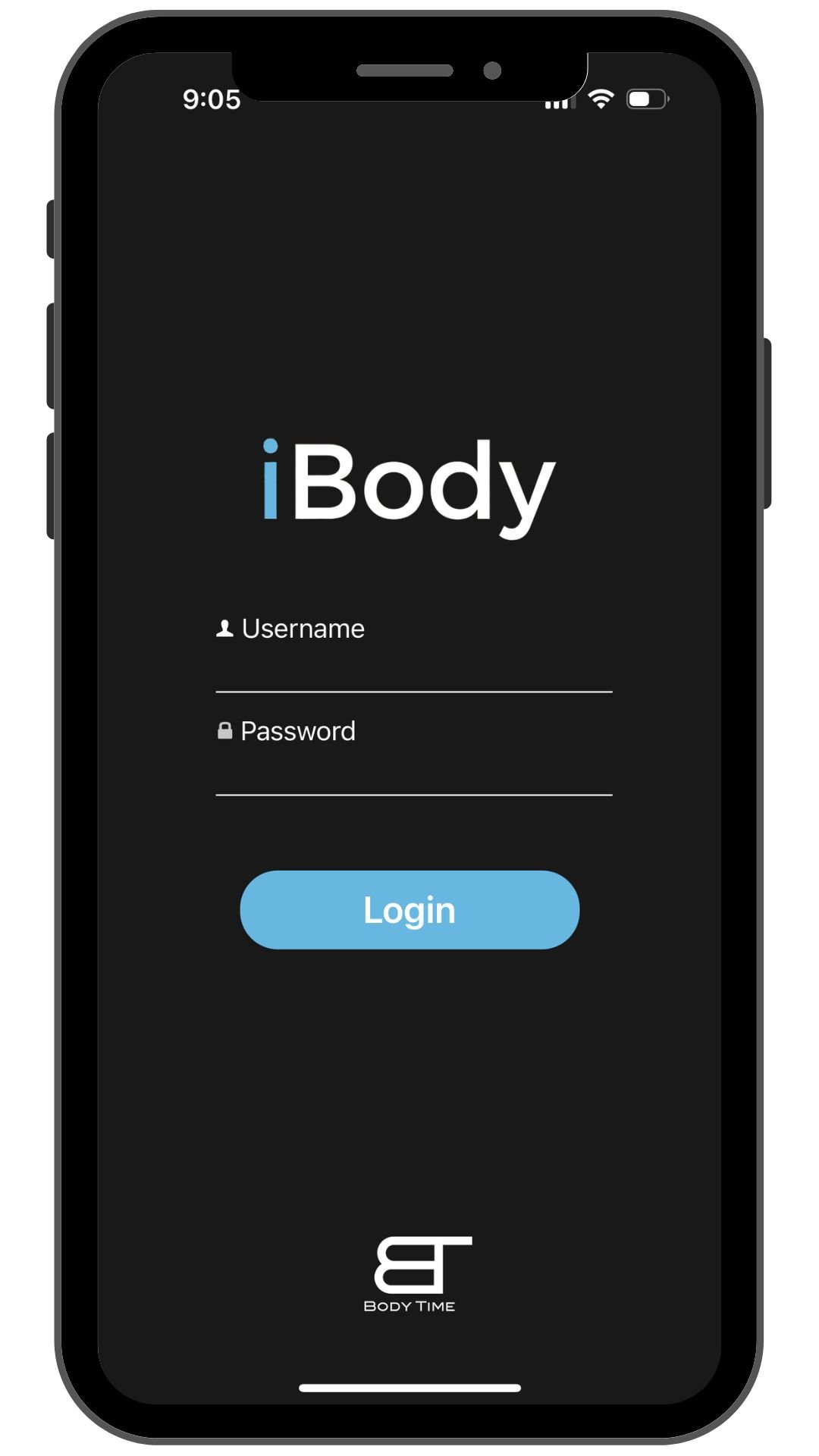
2. Login to Your Account
Once installed, open the app and log in using your registered user credentials. If you are a new user, you may be prompted to create an account.
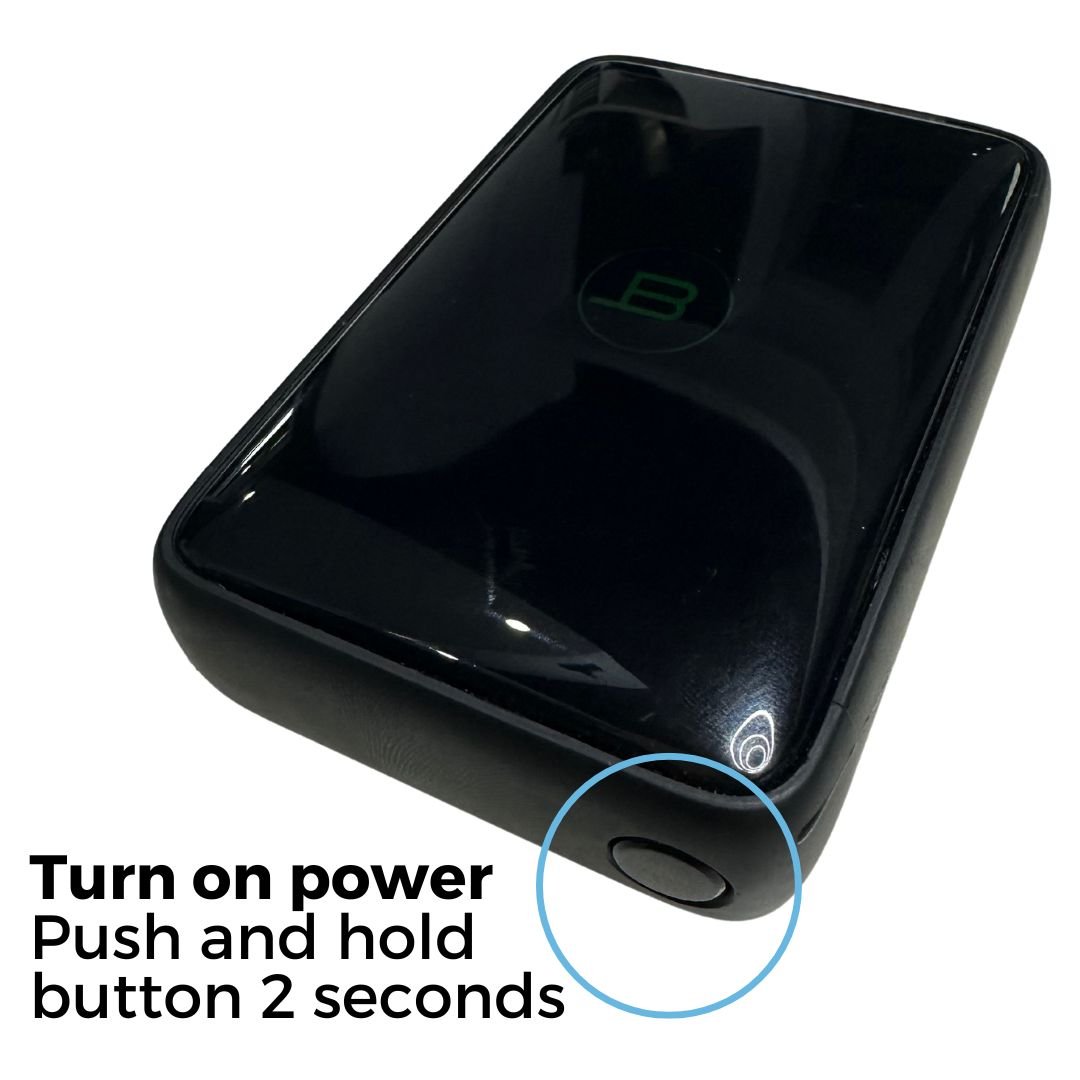
3. Power On the iBody Energy Box (eBox)
-
Press and hold the power button for 2 seconds until the indicator light turns on.
-
Ensure the device is charged and ready before pairing.
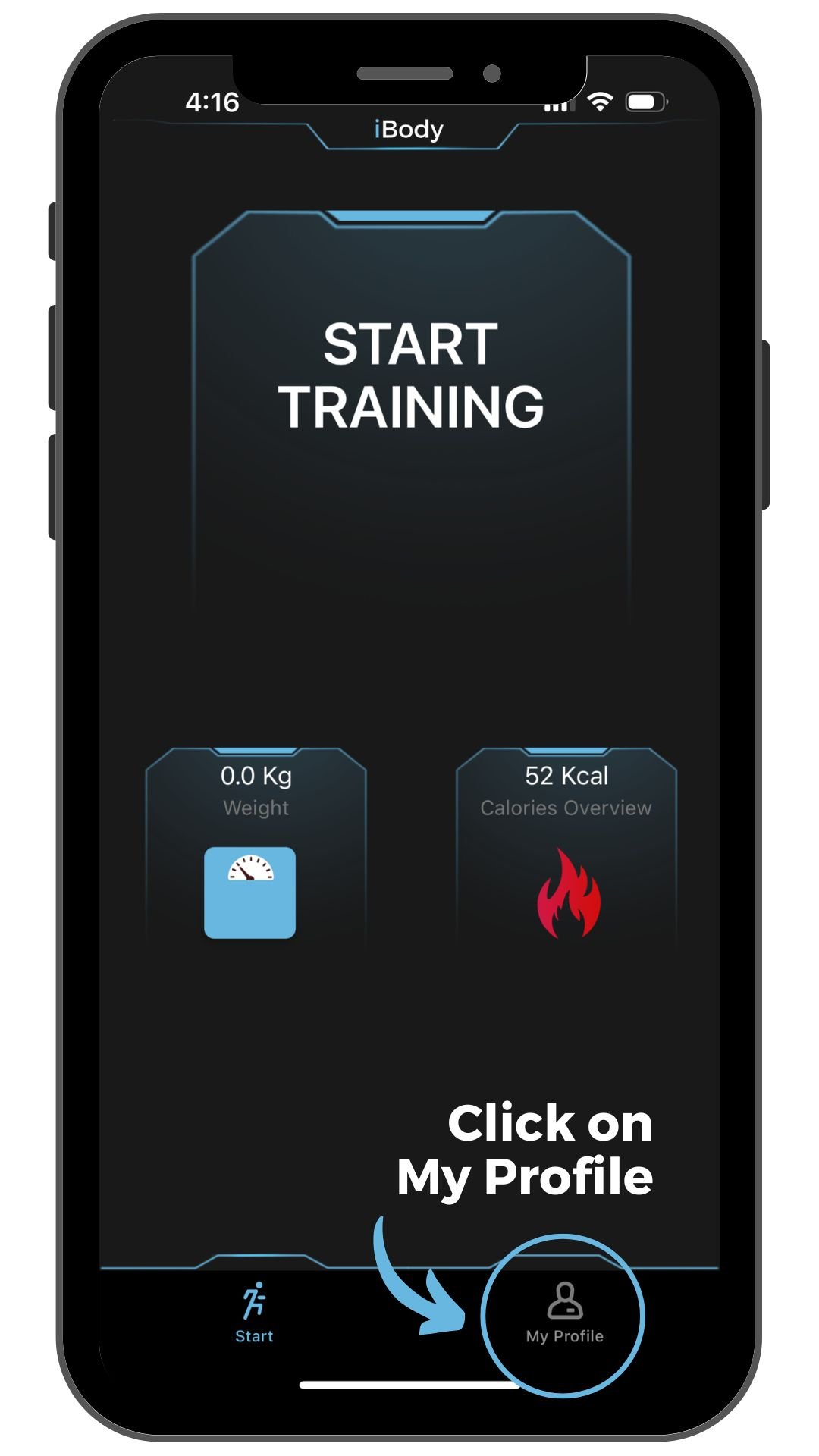
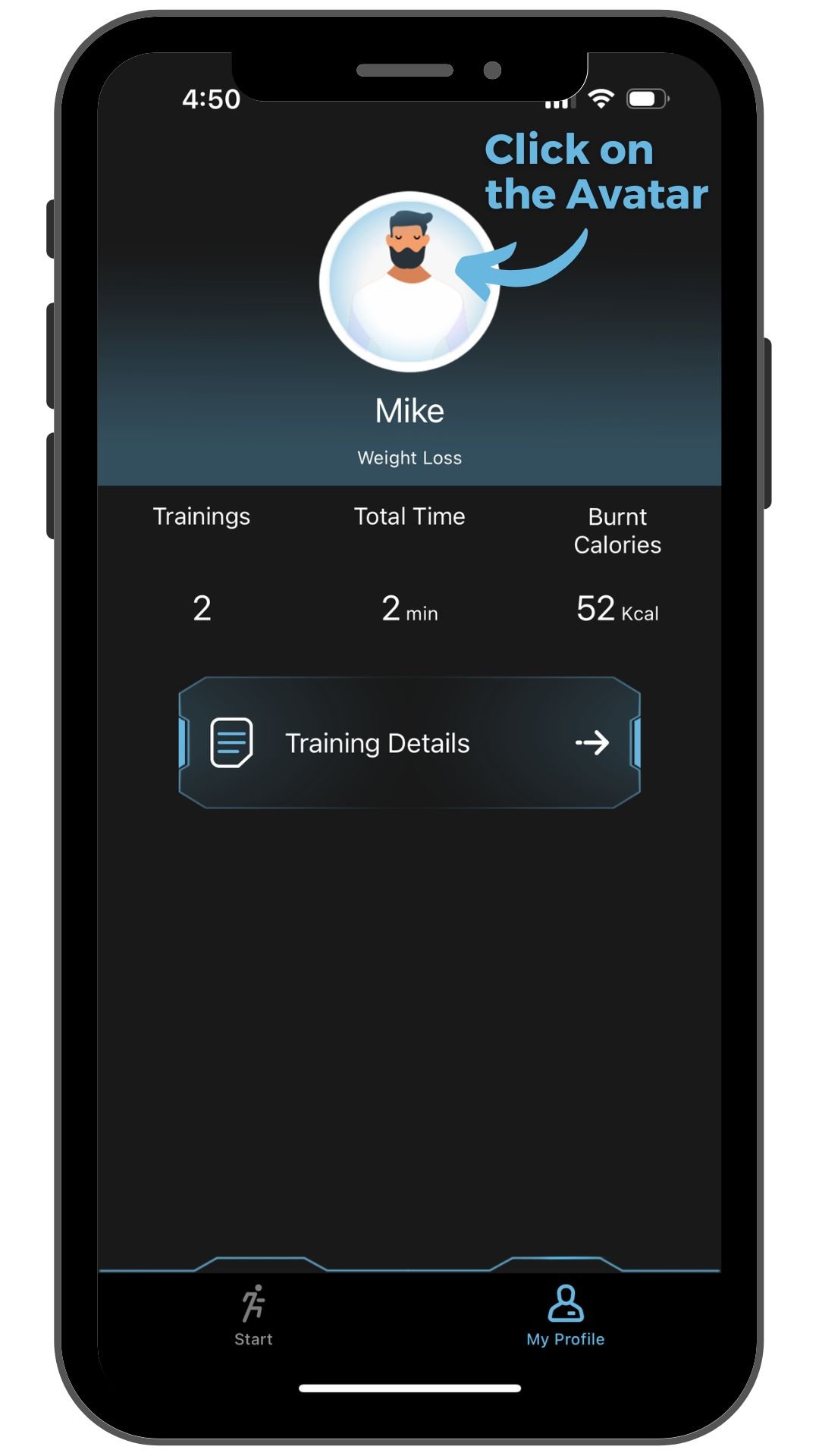
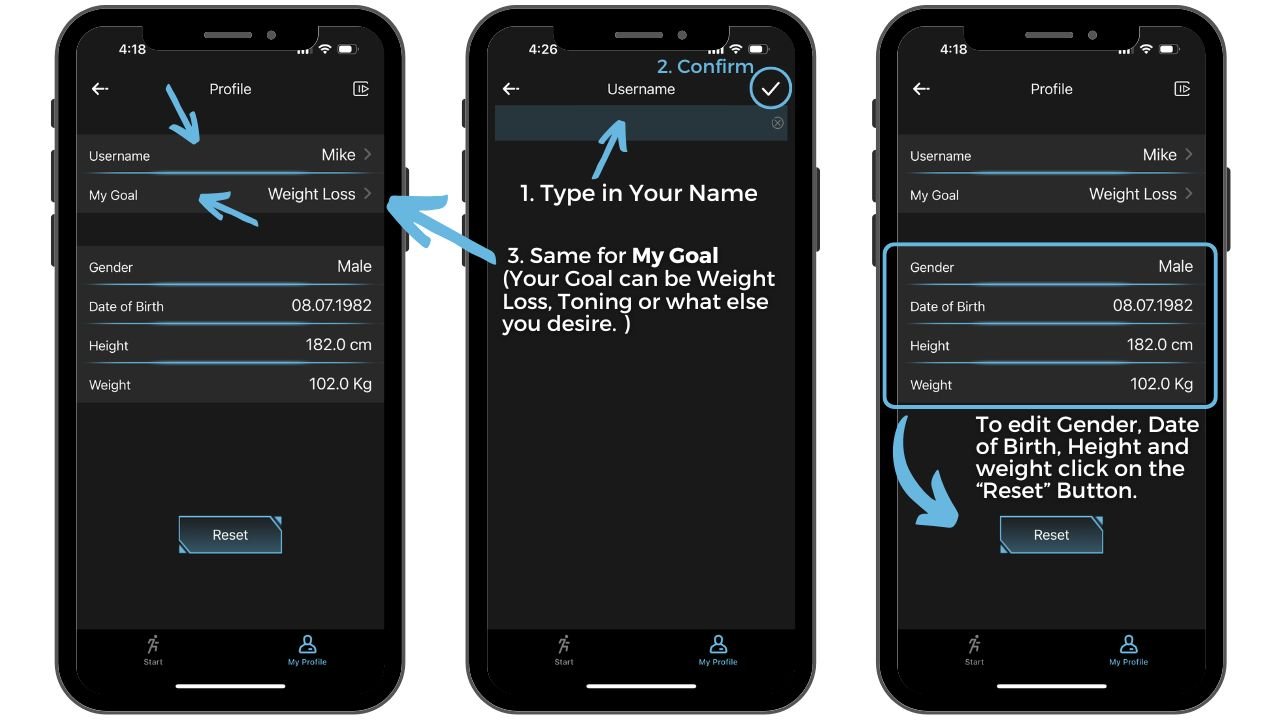
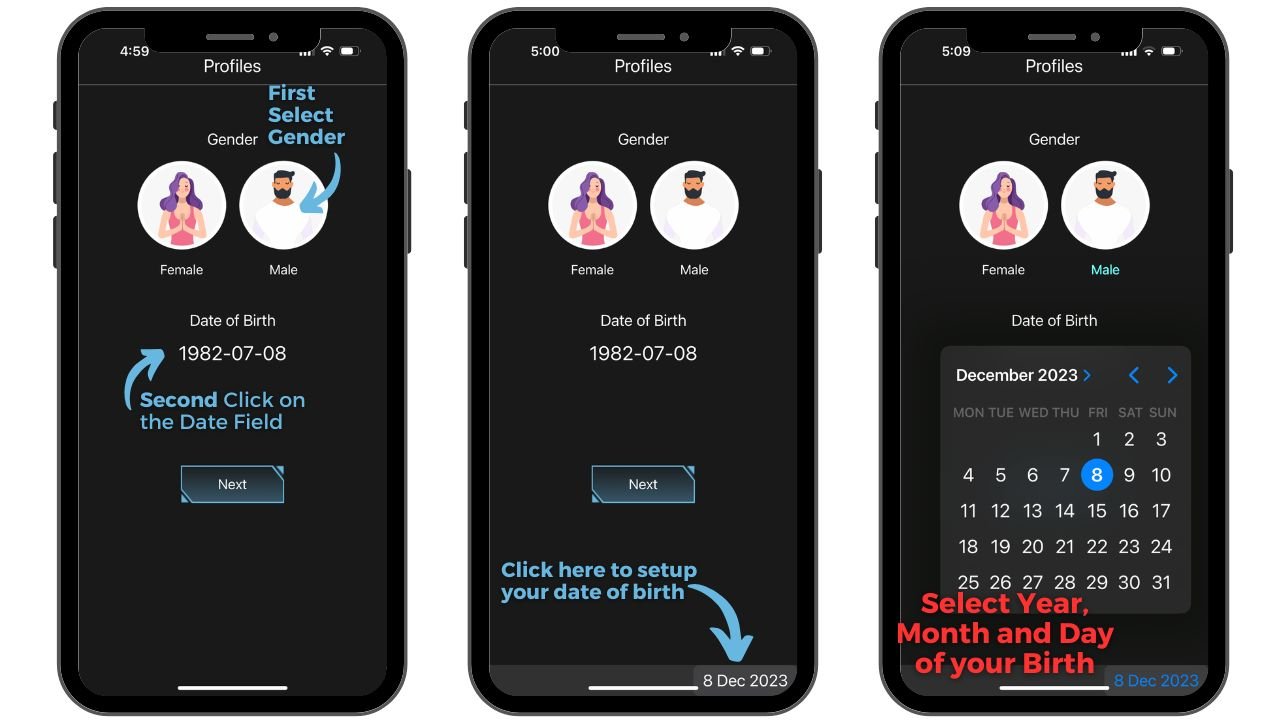
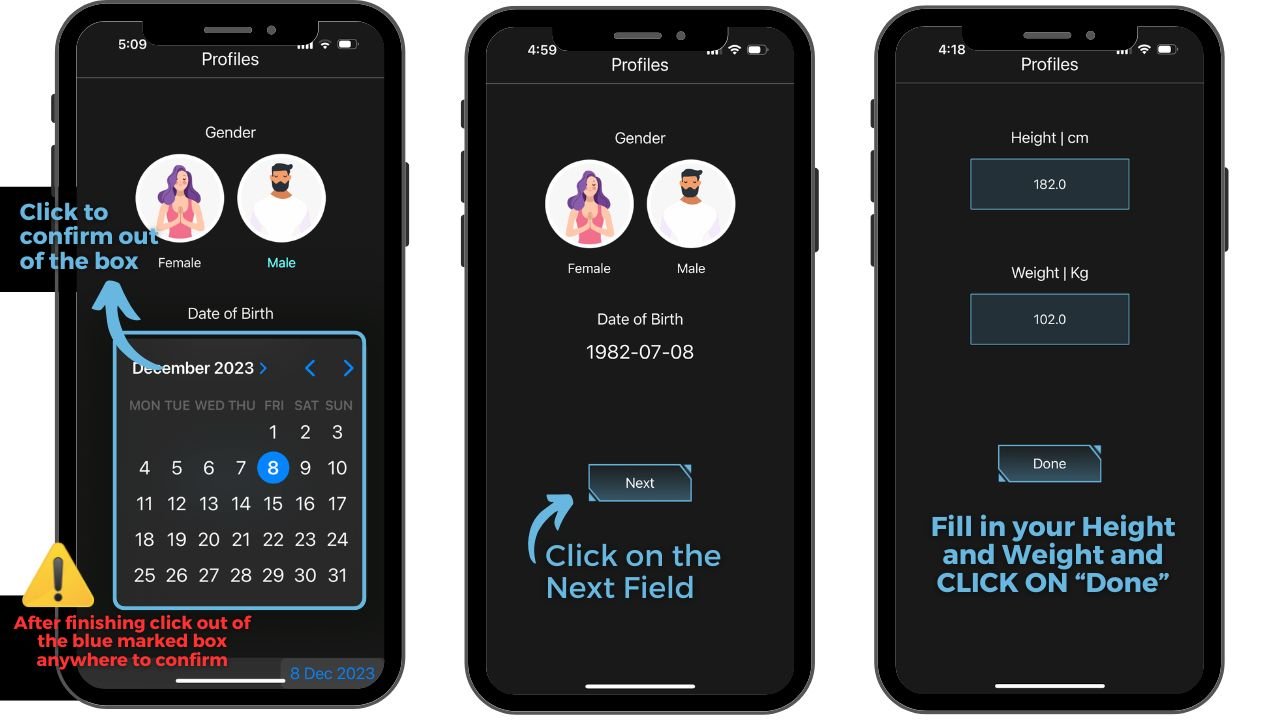
4. Set Up Your Personal Profile
Navigate to the Personal Data section within the app to create your user profile. This information allows the system to tailor your training sessions for optimal results.
You will be prompted to enter:
-
Name
-
Training Goal
-
Avatar Selection
-
Gender
-
Date of Birth
-
Height
-
Weight
Providing accurate information ensures personalized recommendations and tracking accuracy.
Start the Workout
Training Setup
Once your iBody device is connected and your personal profile is complete, you’re ready to begin your EMS training session.
Follow these steps to ensure a smooth start:
-
Open the iBody App
-
Select Your Training Mode (e.g., Fat Burn, Strength, Relax)
-
Adjust Intensity Settings for each muscle group as needed
-
Confirm All Parameters (pulse time, pause time, duration)
-
Ensure the Training Suit is Properly Fitted and Energy Box is Secured
Quick Start Guide
For a fast and easy overview of the setup process, watch the iBody Quick Start Video (2 minutes).
Watch Now: “iBody Quick Start – Setup & Begin Training”
iBody Detailed Instructional Video
For a complete walkthrough of the iBody EMS system, including setup, app navigation and training modes, we recommend watching the iBody Detailed Video.
Duration: 11 Minutes
Contents:
Install App & Login
Setup Personal Detials
Connecting the Energy Box
App Pairing and Profile Setup
Training Mode Selection
Adjusting Intensity
This video is ideal for new users who want to understand the full potential of the iBody system in one session.
iBody – Train. Anytime. Anywhere.
Your Records
Personal Training Records
The iBody App includes a built-in tracking system to help you monitor your progress and stay motivated. All data is automatically logged and displayed in an easy-to-understand format.
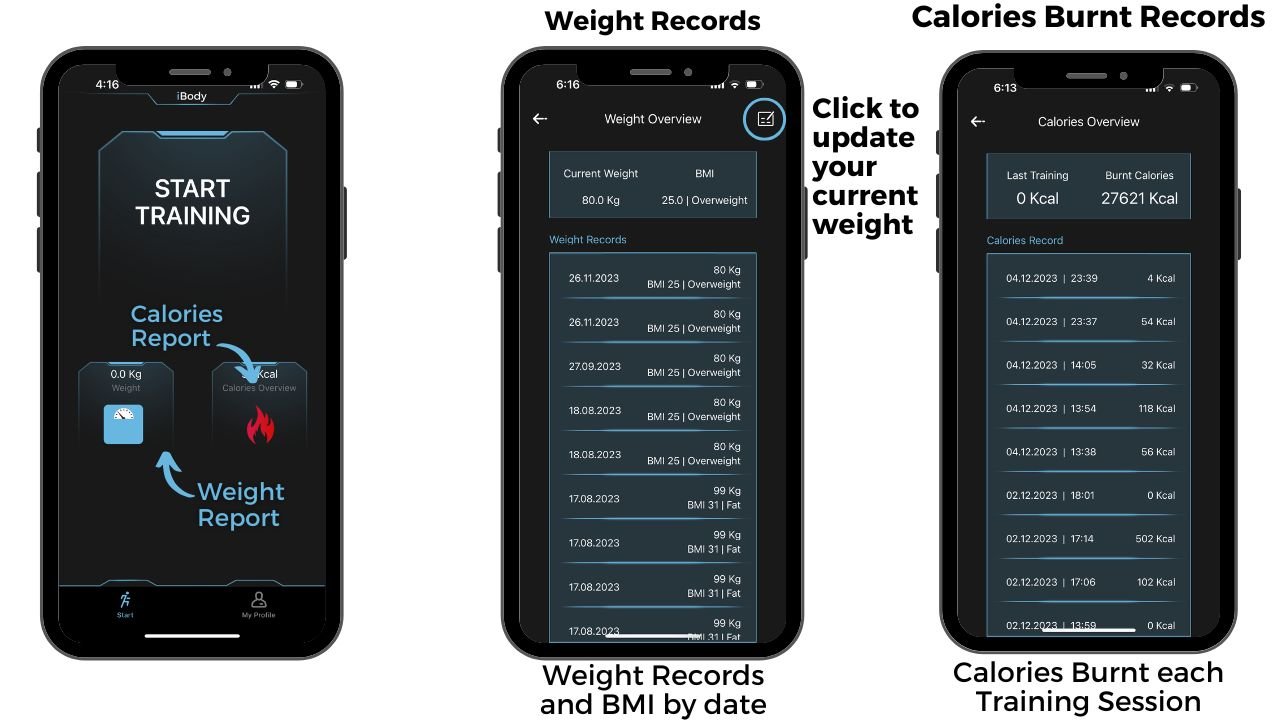
Weight & BMI Records
Track your weight and Body Mass Index (BMI) over time.
-
Records are stored by date, allowing you to visualize changes and improvements throughout your training journey.
Calories Burned Records
View the calories burned after each training session.
-
This feature provides insight into your energy expenditure, helping you assess the effectiveness of each workout.
All training data is stored securely and can be accessed anytime under the “History” or “Progress” section in the app.
iBody – Train. Anytime. Anywhere.
Tech Specs
iBody EMS Device – Technical Specifications
Designed with precision and durability in mind, the iBody EMS device meets the highest standards of safety, efficiency, and performance. Below are the key technical specifications that ensure reliable operation in both personal and professional environments.
Technical Specifications
-
Device Weight: 250 g
-
Device Dimensions: 96 × 65 × 29 mm
-
Expected Service Life: More than 10 years
Power & Charging
-
Battery Capacity: 2650 mAh
-
Charging Specifications: DC 5V – Compatible exclusively with standard 5V certified chargers
-
Battery Voltage: 3.8 V
Electrical Output
-
Output Voltage: 0–50 V DC (square wave)
-
Output Frequency: 1–120 Hz
-
Output Pulse Width: 1–500 µs (microseconds)
Environmental Conditions
Operating Conditions:
-
Temperature: 10°C to 40°C
-
Humidity: 30% to 85% RH (non-condensing)
-
Pressure: 860 hPa to 1060 hPa
Transport & Storage Conditions:
-
Temperature: -20°C to +60°C
-
Humidity: 10% to 90% RH (non-condensing)
-
Pressure: 500 hPa to 1060 hPa
Get in touch with us
All details about franchise, business and our products
Transform Your Body in Just 20 Minutes a Week!
Discover the Fastest, Easiest Way to Lose Weight, Build Muscle, and Relieve Pain – Get all detials!